Search this site
217 results found with an empty search
- Woman's Music Collective "Muse"
MUSE was formed back in 2002 by a group of women wanting to create a safe and nurturing environment for women to make music, perform, and encourage other women to make music too. The story goes that Irene Pender (who now lives in Derry, Ireland) was sick of being drowned out by loud guy bands. As time went on MUSE came to be a musicians’ network for singers wanting to find accompanists, songwriters who needed singers, for women wanting to collaborate musically in general. Over the years it has been a safe space in which to experiment, to get experience performing and in which to enjoy the ‘womentorship’ of the MUSE Matriarchs. Many of those original members are still here in Gisborne teaching and performing. One of the MUSE Matriarchs, Tanya Mitcalfe reflects that things have changed since then; it’s much more common to see a female musician performing on stage these days. But she is still a strong believer in creating safe supportive spaces in which for women to perform and have a go. Many young women have been mentored through MUSE over the years and the Collective are proud of the recent success of two of their protégés, Jasmin Taare and Amy Maynard, who recently won the group section of Five Minutes of Fame on Māori Television. MUSE hasn’t always strictly stuck to music, with comedy, poetry and satire providing some memorable moments over the years. Who remembers the ‘DIY Plastic Surgery’ performance in which Keren Rickard a.k.a. Professor Parsnips decked Tanya Mitcalfe out in cling wrap, painted her with Twink and used a vacuum cleaner to suck out her ‘undesirable’ attributes? After a few years hiatus, MUSE is back and Smash Palace is hosting the Collective’s return tomorrow evening Friday August 6, 7pm. You’ll be able to catch up on what various MUSE members have been up to lately, (including Jasmine Taare!) and hear from some new members too, in a diverse celebration of women’s music. As any musician is well aware, the audience has a huge role to play when it comes to performance and MUSE events are no exception - everyone is warmly welcome! MUSE is always keen for new members, and as one of the most recent recruits Wendy Wallace attests, it is an awesome opportunity to work and collaborate with like-minded women to celebrate diversity, passion and prowess! If you’re interested in finding out more head to the MUSE Facebook page here: https://www.facebook.com/Muse-Womens-Music-Collective-113192210993366/ Story by Sarah Cleave
- Next Chapter - Phil Kupenga
While Phil Kupenga (Ngati Porou, Te-Whanau-a- Apanui) was born and bred in Gisborne, he had been away for twenty years before returning home from Wellington with his family last year. Unlike many a city dweller who is lured to these fair shores by the prospect of a more laid back lifestyle, Phil was motivated to bring something of the city back here - opportunity. Prior to becoming a Business Analyst, Phil was in the New Zealand Police, and had always assumed he would be a career-policeman, loving as he did the camaraderie and not knowing what each day would hold. About 15 years ago however, Phil took two years leave without pay, intending to take a bit of time to rejuvenate before returning to the police force. Life however had other plans. Phil’s wife Rachael was working as an IT recruiter and when she saw a job come up with the Department of Corrections, she suggested he give it a go. While Phil didn’t have experience in Information Technology, he did have an understanding of the sector, and demand was high for more people in technology roles. While Phil describes his entry into the world of IT as having been in the ‘right place at the right time’, that high demand for people in the tech sector hasn’t changed and Phil is back here in the Tairāwhiti to ensure that his people have the opportunity to get some of that pie. Phil continued on from that initial IT role with Corrections to similar roles with New Zealand Trade and Enterprise and Inland Revenue before forming his Consultancy business “Next Chapter” in 2013. He provides business analysis for a range of government departments, working on a range of Information Technology and complex business projects. * * * A couple of years ago the Ministry of Social Development invited a number of experts to look at the segment of the population cycling on and off the benefit, often between seasonal work contracts. Phil was one of these experts, and in September 2019, the not for profit organisation ‘Orawa’ was formed to pilot a Cultural leadership programme to help whānau prepare for the work of the future; to support people looking to make sustainable and real change towards an independent and meaningful life in this continually evolving environment. Phil’s role in Orawa is to inspire people in the Hawkes Bay and Tairāwhiti regions to consider high value work in technology and entrepreneurship; growth industries that are ‘future-ready.’ That is, they are not going anywhere, anytime soon. In our region we have the second lowest median wage in the country. The median wage for Information Technology on the other hand, is 80 to 90K. There are plenty of IT jobs around here too, so Phil is not only tasked with upskilling our people but also matching them up with jobs in our own community. The son of a freezing worker, Phil believes in his people and wants to help people to lift their sights, to unleash their own potential. He wants to enable more people in our community to afford homes, and be able to spend more time with their families. It is undeniable that technology is shaping our futures and the Covid pandemic has only accelerated that. What advancements in technology are going to displace jobs? Currently fruit-picking robots are being trialled in Hawkes Bay, “rather than being the ones who lose their jobs to robots, let’s be the people designing the robots” urges Phil. In his 13 years in the industry it has become patently clear to Phil that there is a dire lack of diversity in tech, with very few women, Māori or Pasifika people occupying those roles. The way Phil sees it, a diversity of value systems is important to ensure that the thought leadership informing the direction of innovation and the ways in which technology is used, is not coming from one homogenous worldview. * * * Since coming back to the Tairāwhiti Phil has joined the Tāiki e! Whānau, where he supports people to do a three-month course in Full Stack Web Development, also known as ‘coding’ through Dev Academy. The first cohort graduated just last week and as the next cohort is underway with another due to start shortly, Phil is working with local employers to create pathways to employment for the graduates. I spoke to Andrew and Bomb (Pavaris) who have just completed the Dev Academy course, who reported that it had been “fun”, a word I least expected in relation to a course in coding I must say.. Bomb lost his job as a flight instructor after Covid hit, and is stoked with the opportunity he has been given to retrain. Both Bomb and Andrew said that there is heaps of online support throughout the course, and working alongside someone else had made it even more easier. A big part of the Dev Academy programme is to develop digital literacy skills. It’s more practical and vocational than a university degree and is designed to meet the requirements of the roles that exist in the sector; from coders, business analysts and testers, to quality assurance, UX designers and Cyber security. All those roles are in high demand in our country and that demand has only been increased with Covid. Students who complete the Dev Academy programme with Phil get the benefit of being a part of the Tāiki e! community, where entrepreneurship is the norm, and a wonderfully diverse and inspiring array of people flow through the space. We have the creative edge here in the Tairāwhiti Phil reckons, but more capability technologically, combined with entrepreneurship will enable us to do something with all of these ideas. It’s a potent mix that will enable us to create our own autonomy, our own industry and stem our current reliance on the primary industries. But first we have to build our own capability from the inside, and to do that we need to start believing in ourselves! If you are interested in doing the course or are an prospective employer interested in what Phil is up to, please get in contact with him at 021877827 or phil@nextchapter.co.nz.
- New Klub Brings Locals Together To Korero over Kawhe
Te Aroha Paenga (Right front) with a table of keen Kawhe Klub participants What do you get when you combine kawhe (coffee), people and te Reo Māori? When Sandra Groves checked out the Kawhe Klub at Far East Roastery last week, she found a whole lot of good vibes, heaps of kōrero and a friendly approach to learning te Reo Māori. Te Rūnanga o Tūranganui a Kiwa kaimahi, Te Aroha Paenga, explained how it works. The learning is tailored to people with different levels of te Reo and each week they provide sound bites to kōrero. Resources are available to support learning from phrasing, to ordering kawhe, greeting each other, basic grammar, fun sayings, and other daily interactions. It is a great way to learn in a real-life setting that allows everyone to learn, practice, and connect with others on their Reo pathway—especially those who might otherwise not have the time to access more formalised learning. Steve King and Jo Pepuere of Far East Coffee host the Klub and Steve reckons it's nice to have the kaupapa in an everyday situation to normalise te Reo Māori in our community and help people who don’t feel so comfortable speaking te Reo. You can join in (or not), everyone is welcome, and it is free. Around 25 people have been attending with praise for the relaxed learning environment. Regulars Donna Biddle and Anna Barber find the klub awesome. Donna is learning a few more words to kōrero and enjoys seeing people’s reactions as her vocabulary expands. Anna Barber says it’s a relaxed environment and she is grateful to be able to bring her baby along to be amongst others speaking her language. If you want to learn te Reo in a comfortable, relaxed setting and enjoy a kawhe at the same time, head along to the Kawhe Klub, it meets every Thursday 12-1 pm at Far East Roastery. They will be moving to other cafes around Turanga so keep an eye on the Kawhe Klub Facebook page @Kawhe Klub Turanga. Contact Te Aroha Paenga at TROTAK (tearoha.paenga@trotak.iwi.nz) for further information. Thanks to Te Mātāwai Funding for supporting this great kaupapa, now in its 4th week. Story by Sandra Groves www.firstchapter.co.nz Photo Sarah Cleave
- Jane Luiten, Historian
At a recent Historic Places Trust Whare Kōrero, historian Jane Luiten gave a historical context to the discussion currently taking place in our community about Maori representation. “Local Government has been an important tool of colonisation” she says, “and in making our local government more inclusive it is necessary to look at that legacy of colonisation”. “Making a new home in a new place or making yourself at home in a new place takes a lot of energy and effort and it comes with hopes and dreams. In the case of colonisation of Aotearoa it comes with a flip side of dislocation and dispossession and pain” she began. When Jane went to university and discovered New Zealand history she was hooked. Much of her life has been researching Treaty claims that have been brought to the Waitangi Tribunal - about acts and omissions of the Crown that breached the Treaty. Jane has researched local government both on the East Coast and the King Country and her basic premise is that local government has been a very important tool of colonisation. “It’s not that it's just been applied wherever Pākeha settlement has gone, which it has, but it has within it an internal combustion engine which projects and propels Pākeha settlement to every forgotten valley in the country. It has done this and there has never been any role for Māori to include Māori interests, with very adverse impacts on communities … and it’s time to change that.” Jane says that “the reason it hasn’t included Māori is because the policy of the government since the Treaty was signed has been one of assimilation.” The presumption with local government is that you can be involved if you function just the same way Pākeha do – and Māori have not. “A longstanding Pākeha myth is that colonisation in New Zealand was done nicely. There have not been any colour bars in our legislation about what people can and can’t do. But we don’t need [colour bars] because there has been structural discrimination which has excluded people.” “It’s time we have a system that includes everybody’s interests - that’s where I am coming from,” says Jane. SOME FACTS Local government is a delegated power to carry out prescribed functions and public works a community needs. There is an annually recurring direct taxation on property, which pays for the public works - as most of us know, these are called rates. The council is empowered to borrow money to top up what they get from rates to get the works that we need done. “Why is something so boring, so crucial to colonisation and actually so interesting?” Jane asked the crowd of 45. “Because it’s actually the busy fingers of colonisation. This is where the rubber hits the road.” Civilisation as we know it depends on the productive utilisation of land. Roads are vital to that. to enable the development of farms, and to get produce to the market. It was the County function to build these roads and because it was the farmers who were on the county council, rural local government was largely preoccupied with roads and bridges. LOOKING AT THE HISTORY For the first 35 years after the Treaty of Waitangi, New Zealand was run as six provinces. Auckland Province included everything from Taupo north, including Poverty Bay, but the electorates were drawn from areas of significant Pākeha population: Auckland city, suburbs of Auckland, pensioner settlements and the Bay of Islands. There was a single ‘northern’ and ‘southern’ electorate for everyone else. Tūranga only became an electorate in 1873, shortly before the provinces were abolished. In this provincial period, the income derived by local government from rates was extremely limited. Public works were instead financed by the Land Fund. The Land Fund came from the purchase of Māori land by the Crown at a cheap price. The land was then cut up into surveyed parcels with road access and sold at a much higher rate. The profit margin went back to the provinces to support that settlement. The expectation from a buyer was that their property would come with a road. In 1876, the provinces gave way to centralised government and general territorial taxation, ie. annual rates on property, was introduced to pay for local infrastructure. To support expanding Pākeha settlement, New Zealand was carved into 63 counties and local government delegated to the elected county council. Each county in turn was made up of ‘ridings’, which were communities of interest who would for example, share a road. Representation on council, and the county finances, were based on the ‘riding unit’. WHAT HAPPENED HERE? Cook County in 1876 ran from just north of Mahia to Cape Runaway. The Waiapu Riding was basically the whole of the east coast. At that time there were 3400 Maori and 374 Pakeha living in Cook County - ten to one. Only ratepayers were able to participate in local government, meaning that 10th were in the driving seat. Two-thirds of them lived south of Kaiti. Waiapu Riding in 1884 was made up of just 18 electors/ratepayers. Most of them had been there less than 10 years and it was these select newcomers who started controlling road development and expenditure. Waiapu County Council was also the driving force behind the ‘Native townships’ legislation 10 years later. In a classic colonial misnomer, the legislation enabled the government to take up to 500 acres in districts where it was otherwise unable to acquire land through purchase – to establish Pākeha townships, not native ones. Tokomaru Bay (Tuatini), Te Araroa, Te Puia and Waipiro all started out in that manner. COUNTY FRANCHISE A longstanding cherished Pākeha precept is ‘no taxation without representation.’ But, Jane points out, wherever direct tax is involved, funny things start happening to representation, and to democracy. Rates were based on the occupiers’ column of rateable properties on the district valuation roll. The lack of any residential franchise meant that local government remained firmly in the hands of farmers, while strategies such as weighted voting and plural voting meant the wealthiest of them were elected to council. Weighted voting meant a single ratepayer could exercise up to five votes, depending on the value of his property. After 1899, the scale was lowered to a maximum of three votes. Plural voting meant a single ratepayer could vote in any riding in which he held property. DIRTY SECRETS These are the “dirty secrets” of local government. The residential qualification introduced in general government in 1879 was not extended to local government until 1944, and then residents were given a single vote. “Women got the vote much earlier in local government. This was not because of a desire to empower women, it was because landowners could place a wife or daughter over the age of 21 in the occupiers’ column in order to have more control over the electoral outcome.” Plural voting in general government ended in 1889; in local government it took almost another century, ending in 1986. Weighted voting was never a feature of general government but it only ended in local government in 1974. This still does feature in some form however, in that rural wards can get elected with 100 votes in Ruatoria for example, while it takes 4000 - 5000 votes to get voted in the city. Once they are at the table, they hold the same voting power. WHY CAN’T MAORI TAKE PART? “You can imagine that overnight imposing a property tax is a political act. If you have been occupying your land for 26 generations and someone says you have to start paying this tax every year, you are not going to like it much,” says Jane. It took 40 years from 1876 when territorial tax was imposed, to pull Māori land into the rating system and in 1910 all Māori freehold land was deemed to be liable for rates. MULTIPLE OWNERSHIP Despite Māori traditionally holding their lands communally, nothing was done to devise a mechanism where multiple ownership could be converted to multiple franchise. At the end of the 19th century, provision was made for a ‘nominated occupier’, where Māori could choose one of their number to go onto the valuation roll. This didn’t work well. By the 1920s a new system of ‘charging orders’ bypassed Maori occupiers altogether: county councils could go straight to the Native Land Court to have the rates charged against the land, and Māori landowners were not even sent a rates demand. If you didn’t pay your rates, you didn’t get a vote. “That just becomes a little unfair when you have this system where Māori weren’t even sent the demand to pay rates. “The whole bent of twentieth-century legislation has been aimed at rates recovery from Māori land but very little attention has been given to how that could be conveyed into representation.” THE EAST COAST ANOMALY If ever Māori stood a chance in joining the ‘local government club’ it was in Te Tairāwhiti. Still in possession of much of their land by the early twentieth century, Ngāti Porou were the pioneers of title consolidation and land development which meant that by the 1920s many were ratepaying farmers. The Māori councillors in Matakaoa County at that time, are a case in point. However, despite the Māori farming initiatives taking place, structural barriers still worked against Māori representation in local government. A 1938 inquiry into the non-payment of rates from Māori in Waiapu County revealed that 60 percent of the entries in the valuation book were inaccurate. “Court records of succession to deceased owners, or partitioned lands, were not transferred from the court to the valuation department, or the local body.” The local body resorted to court to recover rates, which meant there was no incentive to keep its records of Māori occupiers updated. RIDING CONFIGURATION If all else failed, riding boundaries were configured to retain control. Old rates books in the back room at the Te Puia county offices are split into two categories: European and Native, with data showing occupiers, owners, property descriptions, area, rateable value, rates owing, who paid the rates, and the date paid. “The devil is in the detail” Jane says, “it’s remarkable the patterns and trends that come up once you start collating.” In 1945, the year after introducing the residential vote, the Waiapu County ridings were reconfigured, with glaring disparities of electors between ridings, which widened over time. “From this time, Māori had a seat on council, but they never achieved anything proportional to their presence on the coast.” Riding configuration is one reason why: by 1980, Mata Riding and Hikuwai Riding had just 20 and 21 electors, as compared with Piritarau Riding’s 534 electors. Weighted voting ended in 1974 but plural and non-resident ratepayer voting continued until 1986. That year, for the first time, Waiapu County Council returned a Māori majority. One of the first things they did in their district scheme was to place the Treaty of Waitangi at the heart of all planning policy. The outcome was profound. Māori had been unable to return home to live on their land up the coast because of the planning rules, which said you couldn’t have more than one house on a title unless it was for a labourer. Māori were similarly prevented from building within old communities that had not been designated by the council as urban settlements, to avoid expenditure on amenities like footpaths and lighting. “So the council files are full of these letters asking permission to build on family land and being refused. All of a sudden there’s a change of thinking - let’s get as many people moving home as possible. They changed the rules.” That same year Waiapu County was amalgamated into Gisborne District. Not all of the gains were lost, but once again Māori were reduced to a minority in local government. The systemic exclusion of Māori from local government has meant that their interests have largely been ignored. On the coast it meant that whole communities like Whareponga did not have road access until the 1950s. At Rangitukia, there were 51 Maori households trying to dairy farm without a road. “Marginalisation hasn’t worked”, says Jane. “It is time to do things better”. Story by Debbie Gregory Photograph by Sarah Cleave
- Reflections on Matariki
Leading up to the free whānau Matariki Concert being held at the Whirikoka Campus of Te Wananga O Aotearoa on Saturday, July 3 Merle Walker took the opportunity to talk to some of the artists who will be gracing the stage about the reason for the season, Matariki. Merle asked the questions: 1. As a Māori artist and producer within the music industry, how important is it for you to be able to celebrate Matariki not only through your mahi, but also as an individual? 2. As of 2022 we get to move forward as a nation by implementing Matariki as an annual holiday. This will be the first traditional Māori event recognised with the mainstream calendar. What impact do you see this having within the Music Industry, positive or negative? Tyna Keelan Tyna Keelan is a local artist, musician and producer who has been working in the music industry for years. This multi award-winning artist continues to create and produce his own music, while currently working at Te Wananga o Aotearoa as a Tutor and mentoring rangatahi when he has time. “Matariki is an important time in my calendar for a number of reasons. Being Māori and from Ngāti Porou we celebrate our uniqueness and our knowledge or maturanga that makes us special. “As an artist I find Matariki a great time to be creative and work on new projects. I tend to be busy at this time of the year as well with shows and projects so that's cool”. “I can see that there will be a lot of opportunities for Māori artists to exhibit their work regardless of medium, but most importantly it's a chance to share our culture and normalize this important taonga for all New Zealanders”. Tama Waipara While many of us will have encountered Tama as the CEO & Artistic Director of Te Tairāwhiti Arts Festival, he is of course also an Award-winning Artist, Singer/Songwriter and Composer. What a treat to be able to experience Tama performing at the Matariki Concert on Saturday… “Over the years Matariki has become an important time for artists to gather, to share new ideas, to recognise the ups and downs and to remember those who have passed on. There was a time when I knew absolutely nothing about Matariki so I feel fortunate there are those who have opened up this Mātauranga for us all to explore”. “Mostly positive I think. The season of Matariki is one opportunity to celebrate who we are as Māori but it’s not the only season. Being Māori is a year round celebration. Musicians are often busy at this time as well as the summer so it’s a great way to map out times of the year for different kaupapa. I don’t know what impact it will have on the industry but I feel very positive about the growth of our Reo Māori artists and young performers coming through who see and embrace a totally different way of making their way in the world”. LEON DAVEY Leon is a multi-talented guitarist, drummer, percussionist, songwriter and producer, and is a member of one of Aotearoa’s favourite reggae bands, KATCHAFIRE. “Honestly, it’s only because I am a musician that I celebrate Matariki at all, otherwise it would probably just be another day! “As an individual, I’m only starting to learn about my culture and language, my upbringing was very strict, and very religious. Also me and my wife have just started studying Te Reo Māori at Te Wananga o Aotearoa in Hamilton, we’re hoping to be able to converse with each other in the next 3 years. “And of course, the more I learn the more I will understand the importance of Matariki. “The fact that Matariki is going to be recognised as a public holiday in 2022 makes me so proud to be Māori. You know, people are gonna have a hard time stopping this movement, because we just won’t stop fighting until we have all that was taken from us, and until we have total equality. We lead the world in the resurgence of culture & language. Damn it feels good to be Māori! Lol!” “Any step forward with our language and culture is only good, because not only will it open the rest of the country to just how beautiful our language and culture is, but it will teach other countries in the world how to live as a nation by respecting each other’s language and culture”. Philly Tarawa Philly is the Program Director and a radio announcer on Turanga FM on a show called ‘The Switch Up’ from 10am to 2pm weekdays. He is also a part of local emerging band Supreme Brother Sound who will be releasing their first EP on July 14th and have a release party soon after on the 24th of July at The Dome. “Matariki is a time of reflection and a time where whānau come together to celebrate the year that was and start working on a year that is about to grace us. It is hugely important for us to use this time to heal the Wairua, the Tinana and the Hinengaro going forward. These things are what are important to me and my whānau, moving forward. “This is going to be huge not only for us as a nation but us as Māori people, for so many years we have put all our kaupapa Māori on the back burner and it’s about time our kaupapa get recognition. It’s about time we normalise this kaupapa so that we as Māori can use this space to uplift our culture and support all artists in all mediums, here in Aotearoa”. Story by Merle Walker Photographs supplied
- Horouta Pharmacy - Kevin Pewhairangi
A couple of years ago Kevin Pewhairangi and partner Kasey Brown were up in Gisborne, visiting from Wellington, where they were settled and raising their three sons. While they were here they saw a young mum pushing her pram through the rain, and upon stopping their car to see if they could help, found out that she was walking to a pharmacy to pick up a prescription. They picked her and her child up and took her to the pharmacy, but the situation played on their minds and ended up being one of those moments that was to change the course of their lives. Kevin, Te Whānau a Ruataupare, grew up in Tokomaru Bay and had worked in the David Moore Pharmacy attached to the old De Lautour Medical Centre in his early days of being a pharmacist. Since living away in Wellington, the De Latour Road Medical Centre had moved to become Three Rivers, and while a new bunch of doctors had started a new medical centre in its place, the pharmacy premises had remained vacant. Kevin and Kasey, who is also a pharmacist, were well aware that the young mum they had encountered was only one of many locals without their own transport who would have been feeling the loss of a pharmacy in the neighbourhood. The seed had been planted. In Wellington, Kevin and Kasey’s daily commutes were 1 ½ and 2 hours respectively, leaving only weekends for family time with their boys. They knew that coming home to Gisborne would enable more time with their young family. They could also see that a Maori-run pharmacy would only benefit the hapū and iwi of Te Tairāwhiti. And so it was that they became business owners just over two years ago, opening Horouta Pharmacy in the very same place Kevin had first worked as a Pharmacist. Kasey is also a pharmacist; a Wellington-born Samoan. She specialises in clinical pharmacy and works part time at Hauora Tairāwhiti, providing back up at Horouta Pharmacy when needed. Horouta Pharmacy then is uniquely positioned as a whanau/fanau-friendly pharmacy improving access to free professional healthcare and advice in its community. The role of a pharmacist is changing. More than just counting tablets now, pharmacies can give vaccinations and some can prescribe. Kevin understands how important pharmacy access is in ensuring that medical care and treatment are followed up with after people see their doctor and it’s particularly important to him that Māori and Pasifika people have a pharmacy that meets their needs. Horouta has a distinctly Māori and Pasifika flavour, in fact it’s the only Māori-Samoan owned Pharmacy in the country. This means you’re more likely to find Toi Māori than glamour stuff on the walls and shelves with locally-made kete and earrings and colourful harakeke potae alongside the popular Manutuke Herbs range, which originated here in the Tairāwhiti. Customers can kōrero with the pharmacist in te reo and Kevin is working towards fluency in te reo across all of his staff. Which brings us to another local, who has been a significant force in enabling Kevin to realise his dreams over the past two years of being a business owner. Kevin and Kasey had started out with an accountant who specialised in pharmacies, but they weren’t local and they didn’t hear from them until their taxes were due. Then along came James Burn, who had recently started a small business himself. While he was offering accounting services, he took a very different approach to the usual ‘distant accountant’. The starting point taken by James was to find out what Kevin and Kasey’s goals were, not just in their business, but their personal aspirations too. And so the financial plan they devised alongside James was built around them spending time with their boys and using their skills to help our people both locally and nationally. Kevin sits on advisory groups working with Pharmac, the Ministry of Health, and providing a Māori perspective on issues such as the Covid vaccine. Kasey is the Pacific Advisor to Otago’s School of Pharmacy and Kevin is the President of the Māori Pharmacists' Association. James’ role as their accountant is to give them the tools to reach their goals. They get a financial report every two months and James calls up to discuss how they are going. They find his reporting easy to follow, which shows them the areas they are doing well in, and those that need attention. Empowering staff is important to Kevin, having positive memories of being looked after and a part of the team at David Moore Pharmacy under David Moore’s mentorship and support. They aspire for their staff to be fluent in Te Reo Māori, and are currently supporting their pharmacy technician to attend reo classes to learn. As one of only 2% of pharmacists who are Māori, Kevin is adamant that the healthcare system needs change. He visits kura kaupapa to encourage rangitahi to consider pharmacy as a career and makes an effort to be at the table on advisory groups. He knows his day to day experiences need to be represented in those spaces, often dominated by an older and retired demographic. Meanwhile, Kevin finds James Burn a good partner when it comes to helping him to keep it real in his own business. He says that James provides a personal touch that is usually lacking when it comes to finances, and Kevin likes it that their meetings take place at James’ home. They’re doing coaching sessions to plan for the year ahead, looking at past performance and the direction they’re heading, to make sure they’re on track to meet their goals. And when he’s not in the pharmacy, planning with James or advising on boards, Kevin is probably jamming with his band, SuperFly Killa. You can find their EP on Spotify, and surely catch them live at a gig sometime soon?! Once they’ve finished recording their next EP perhaps.. And make sure you visit Horouta Pharmacy next time you’re in the neighbourhood, for a refreshingly local experience of the pharmacy model. Thanks to our wonderful sponsor and accountant with the mostest, JBA Accountants & Business Advisors for getting us in touch with this inspiring local business and the choice humans behind it! Story by Leah McAneney & Sarah Cleave Photograph by Sarah Cleave
- Coasty Kidds
A story about Coasty Kidds might have any number of beginnings. It might for example, start with the interviewer turning up to the Coasty Kidds store and spending the first half hour or so having yarns with Dion’s dad, Busby Akuhata - who might just be the original coasty kid himself. It was Busby who taught Dion to dive when he was seven years old, and listening to these two talk diving yielded a pretty good insight as to how Dion had ended up on his chosen path. It would be equally as fitting to start a story about Coasty Kidds with the word ‘partnership’. Dion attributes his partner in life and business, Reremoana with “getting the gears grinding in [his] head” early on in their relationship, and keeping Coasty Kidds evolving and growing into itself ever since. Dion says it was Reremoana who helped him to see the value in all of the experience and knowledge he had accumulated over the years he’s spent in the moana; who eventually convinced him it was worth sharing. A story about Coasty Kidds might begin with some conjecture about when Coasty Kidds actually began.. Was it nine years ago when Dion was working as a commercial diver in the Hawkes Bay and created the Instagram handle ‘Coasty Kidd’ to represent his connection to the Coast? Or was it when Reremoana finally said to Dion something along the lines of “You know that Coasty Kidds kaupapa you’ve been talking about for years, well I’ve started the Facebook page, so now you’ve got to get some content in there”. Which brings us to the starting point that feels most apt for a story about Coasty Kidds, which is that of its kaupapa. Coasty Kidds is about sharing knowledge, values and tikanga about diving and the moana. As a commercial diver, Dion has seen too many people die from preventable dive accidents, “I wanted that badly when I came back to Gisborne, for no one else to die diving. Freediving is the most common dive practice around the world and most people don’t ever learn how to do it safely”. So Coasty Kidds began with education. The pair shared social media posts about diver safety, gathering and preparing kaimoana, about respecting tangaroa. Dion started providing dive training and branched out into supplying dive gear so that he could reach and help educate people when they came in to buy equipment too. Dion is the only qualified freedive instructor from Tauranga to Wellington and is also currently testing a pilot course for children through schools, ‘Tamariki of the Tides,’ which helps kids build a foundation of safety and confidence in the water, and learn how to be kaitiaki of our moana. Then, in November 2019, Reremoana shared a social media post of their whānau wearing the Coasty Kidds branded towel ponchos she had recently made for them. They were immediately bombarded with people wanting to buy them. So Reremoana and Dion set up a small-scale factory in their lounge and, joined by Dion’s brother, his partner and other friends that happened to drop in, everyone chipped in with the cutting out, and piecing together of parts ready for Reremoana to stitch together on her machine. That first run of towel ponchos sold out within an hour of posting them on Facebook and so began Coasty Kidds’ evolution into a lifestyle brand. These days the Coasty Kidds shop is brimming with merchandise designed and even made here in Gisborne, and there’s a winter range on its way. Dion says it had never occurred to him that people would ever be wearing their stuff, but supposes it’s what happens when you put fashion and diving together. From the outside looking in though, I’d venture that it’s more than that. For sure, Coasty Kidds is hearty, and like Dion jokes, heaps of people are happy to hold onto that idea of being a kid at heart, but this isn’t just your average apparel brand with a few fashionable values tacked on for good measure… Coasty Kidds has a meaningful and relatable kaupapa and not just for us here on the East Coast. Dion reckons they get photos from all around the country of people wearing their gears and he has realised that it’s not just people from around here that consider themselves Coasties; we’re all kids of the coast in New Zealand. This story about a creative, kaupapa-driven local business which continues to evolve and grow, looks and sounds pretty rosy right? A little bit like a starry eyed couple - a diver and a designer - who jumped in their waka and let the current lead them straight to fame and fortune? I wouldn’t be doing their story any justice if we were to leave things there, so let us continue... Dion tells me he dropped out of school when he was 13 or 14 years old. He describes learning at school as being ‘in the too-hard basket’ and as “nothing really processing”. It has only really been since meeting Reremoana that he has been able to recognise that he has really good ideas and knows how to carry things out, but when it comes to putting them down onto paper or trying to fit them into the system that we’re living within that he finds not only difficult, but actually, often impossible. The Freediving Course for example, that Dion had to do in order to become an instructor - he describes that day as the hardest of his life. Of course, having been a diver his whole life, he knew all the answers, but he didn’t know how to answer questions in the way he was required and so he failed that test the first time around. It has only been very recently that Dion went to a psychiatrist in order to try and understand why his brain works the way it does and a diagnosis of ADHD has come as something of a relief. Learning about why his brain is always going a million miles an hour and why every day is so draining is helping him with acceptance and motivating him to learn ways to better cope. “If I’d known this years ago, my life would have been way different” he says. Dion can also see how his neuro-diversity has probably enabled him to do things that other people might not manage so easily. He talks about how he could stay in the water for 8 hour days when he was on the reality TV Show, ‘Gold Hunters’ and is starting to appreciate the way it enables him to keep continually evolving Coasty Kidds, even though it is also taxing on him and his whānau. He can say now, “I’m good with people but not with the books” and know why that might be, rather than simply feeling bad about it. He’s starting to learn about how he best learns. Dion’s neuro-diversity may also go some way towards explaining what may look from the outside at least to be some kind of superhuman drive that has kept Reremoana and himself moving from the early days when Dion was still working in forestry, would get back from bush to open shop from 4:30pm and would work until late. Dion and Reremoana’s baby was born just 4 days after opening the Coasty Kidds store and soon after that Lockdown hit. Their supporters kept them going with online purchases through lockdown and after lockdown the pair sold their house, bought a caravan, and then lived off the grid in Pouawa over summer. Reremoana was hapu again and their baby learnt to walk at the beach. It was a chance to really test their mettle as true Coasty Kidds. “It’s been a crazy journey” says Dion and the pair are showing no signs of slowing down for anything or anyone. As their new baby’s due date draws closer, Reremoana has launched a new American Vintage Store out the back of Coasty Kidds. Dion is exploring Gyotaku, an art form, which remembers and respects a fish’s life by printing it, a nod to his own Cantonese ancestry and he is currently doing his Level One training, which once completed will enable him to teach people to dive to 20 metres. All driven by a single-minded passion to empower people with the confidence, the right gear and ability to provide kai for themselves and their wider communities indefinitely. It’s inspiring to find kaupapa-driven businesses like this, and not surprising to see it thriving when it’s built as it is on the stuff that matters.. No one’s saying it’s easy, but neither did anyone ever say it was meant to be, eh… Thanks for doing what you’re doing Dion and Reremoana - hearty as, you two! You can follow the adventures of the Coasty Kidds whānau on Instagram @coasty_kidds and Facebook @coastykidds. Story by Sarah Cleave Photographs supplied by Coasty Kidds
- Destigmatising Mental Health
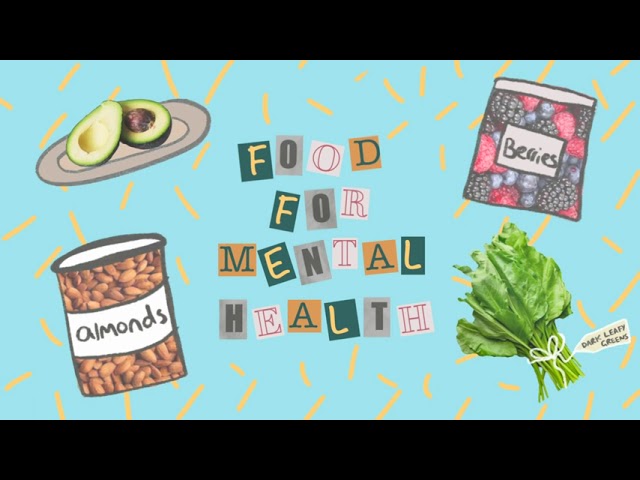
Creating an animation about mental health for our community was a daunting prospect. The topic is so weighty, because the outcomes can be so devastating. But, if we normalise, destigmatise and learn more about mental health, then we can save lives. If we keep talking about it, keep saying ‘it’s okay to not be okay’, then we’re more likely to reach out to each other during challenging times. We’re more likely to prioritise our mental well-being and take time off when we need to. I want mental health normalised to the point where it feels just as easy and acceptable to stay home for your mental health, as it is to stay home with a cold, migraine or physical injury. I want people to feel safe to talk about feeling fear, self-doubt, inadequacy and shame and to know that it’s okay to not be okay. Resources for support here in the Tairāwhiti: Call 111 in an emergency FACE TO FACE Te Waharoa (previously Te Kuwatawata) Free to drop in - no appointment needed 26 Peel Street, (opposite the library) Gisborne 8.30am to 4pm weekdays Phone: (06) 868 3550 Pinnacle Health Referral through your GP doctor I Am Hope Go to iamhope.org.nz and click ‘I Want Help’ then scroll down to ‘Choose a Counsellor’ and type in Gisborne. ONLINE / PHONE 1731 Free call or text 1737 any time for support from a trained mental health and addiction professional Lifeline 0800 54 33 54 to speak to a counsellor, available 24/7 (or free text HELP to 4357). www.lifeline.org.nz Depression Helpline 0800 111 757 or text 4202. https://depression.org.nz Suicide Crisis Helpline 0508 828 865 (0508 TAUTOKO). This is a service for people who may be thinking about suicide, or those who are concerned about family or friends. Kidsline 0800 54 37 54 for children aged 5 to 18 years. Those who ring between 4-9pm on weekdays will speak to a Kidsline buddy - specially trained teenage telephone counsellors. 0800 WHATSUP Children's helpline - 0800 9428 787, available between 1-10pm on weekdays and from 3-10pm on weekends. Online chat is available from 7-10pm every day at www.whatsup.co.nz. Animation and story by Steph Barnett (ONO Project)
- Jobs for Nature
Sandra Groves recently stopped by the Tairawhiti Environment Centre to catch up with the Centre Manager Rena Kohere to learn about Te Rea, the Tairāwhiti Agroecology Recovery Programme, funded through The Ministry for the Environment and Department of Conservation’s Jobs for Nature. The idea behind Jobs for Nature is to help revitalise communities through nature-based employment and stimulate the economy post-COVID-19 on both private and public conservation land. Here in the Tairāwhiti local kaimahi are restoring their whenua, waterways and protecting native species through Te Rea. The programme is a collaborative venture of whānau, hapu and iwi, the Department of Conservation, Ministry for the Environment and Tairāwhiti Environment Centre and is supported by a range of government agencies, working towards catchment restoration. Te Rea came about after an eight-week pilot funded by the COVID-19 redeployment Provincial Development Fund, with two whanau groups working in Mangatu and Ruatorea. Since October Te Rea has grown to 8 whānau/hapu teams and 62 kaimahi (workers). Talking to Rena, the focus is on supporting whānau to undertake kaitiakitanga on their whenua and encouraging an ongoing commitment to Taiao, the environment, in our rohe. Many of the kaimahi are already used to working on the land, having come from other fields like forestry or farming. With the support of various specialists, kaimahi are gaining new practical skills and qualifications and increasing their knowledge of other environmental areas through a mix of both theory and hands-on experience. While The Environment Centre is the hub for business development support for Te Rea, ensuring funding best practice and safety, whānau set their own work plan and focus, depending on whānau and hapu aspirations for their whenua. The team in Ruatorea for example have a strong background in fencing, and have added pest monitoring and control to their skillset. Te Wairoa at Te Araroa started by maintaining the Project Crimson plantings at Matahi Marae and protecting a pingao population that was at risk from stock and invasive weeds. The Uawa team came with the skills and passion for water monitoring and their taonga species, the tuna, and have shared these skills with the other teams through wananga. Kaimahi benefit from regular wananga with each other and local experts as well as formal training and qualifications through EIT. Skill sharing is crucial and the teams have learnt from Dr Wayne Ngata about matauranga Māori and Taiao, Tina Ngata on freshwater monitoring and have had Graeme Atkins, Joe Waikari and Trudi Ngawhare from the Department of Conservation sharing knowledge about their work in the region. Ripeka Irwin, Team Lead for the Te Wairoa Team in Te Araroa, is a big advocate for Jobs For Nature. She says that joining the programme was a far cry from working as a subcontractor for the Council doing amenity maintenance. She has enjoyed the variety of work and focusing on ‘what needs help’, whether it is the land, river or sea. Her introduction to Taiao mahi, or environmental work, was at Matahi Marae on the East Cape, maintaining Project Crimson plantings, shelter windbreaks of native trees, pest control and monitoring. Right now, she is at the Peka Block Awatere building a native nursery and vegetable garden which will bring an abundance of food for the community and security of supply of native species for further restoration work. Ripeka says it was while in lockdown last year that she realised the value of these kinds of resources and since doing this mahi her biggest learning has been to slow down, to care about the environment and appreciate what is around her. Ripeka is hoping the Jobs For Nature funding will continue, as her dream is to carry on doing this mahi and involve even more people in the community. Te Rea reflects the region’s demographics, with many young people getting the opportunity to work for the environment and gain skills and knowledge at the same time. 95% of the 62 kaimahi are Māori, 37 were previously unemployed, and 17 are under the age of 25. 35 of the kaimahi are completely new to this kind of work but have quickly become some of the strongest advocates for the protection and restoration of our environment. Rena says this is one of the reasons Te Rea pushed to get funding throughout the coast. This work is important in a region such as ours, which is so dependent on primary industry and therefore our environment. In order to grow as a region and achieve our environmental restoration goals we also need to invest in growing our people as well. Te Rea has the potential to be transformational for mana whenua as well as our Taiao and we’re looking forward to seeing the impact this incredible initiative will have well into the future. The 8 teams are: Te Wairoa at Te Araroa Ruatorea with Hikurangi Enterprises Taniwha Connections at Uawa Whaia Titirangi at Titirangi Maunga with Ngati Oneone Te Ao Tipu at Tarere Marae, Makauri Maungarongo at Matawhero with Nga Uri o Te Kooti Mangatu with Nga Ariki Kaiputahi Te Mahia with Rongomaiwahine Iwi Trust Story by Sandra Groves
- Far Out Film Night - Dylan Haley
Meet Dylan Haley, a guy with an infectious laugh and the organiser of the monthly Far Out Film Nights at the Dome Cinema. Dylan grew up in Berkeley, California, a city well-known for its liberalism. An epicentre of the anti-Vietnam war and Free Speech movements of the 60’s in the US, Berkeley has kept that tradition of radical politics and challenging the status quo to this day. “It’s a pretty groovy place” says Dylan that most people born there never leave. But Dylan did leave, initially to go to art school in New York and then to Los Angeles to “surround himself with artists”. It was while he was living in L.A. that Dylan met Sarah, a Kiwi lass who had ended up immersed in the music industry, starting out DJing in bars and moving into music licencing, with a role placing music in film and Television. Whilst Dylan still sometimes feels as if being here in Gisborne is some kind of happy accident, the pair made a conscious decision to ditch the rat race and find a place to raise a family of their own. With Sarah’s family all living here, Gisborne was that perfect place and Dylan reckons that in some ways Gisborne and Berkeley share a similar vibe in some ways; a special kind of soul that you don’t just find anywhere. Since moving to Gisborne five years ago Dylan says he’s been educated on all sorts of things from beekeeping to growing vegetables to fence building, and he’s enjoyed growing friendships built upon shared interests in music and art. However he’d been here for a while when he started to realise how much he was missing chewing the fat about film with other people who were as excited about it as he was. For Dylan it was time living next to some excellent video stores, first in NY and then LA that really got him into watching movies. It was always something of a solitary endeavour until the company Dylan did graphic design for opened a film distribution wing; restoring old films, repackaging them and redistributing them. Dylan started doing the poster design for the films - something he continues doing to this day - and finding himself surrounded by film nerds, his appreciation for film and talking about it with others, was thoroughly entrenched. In his early days of Gisborne living Dylan would wander over to the Ballance Street Village to grab some lunch from the bakery. He’d often stop by at Retro, to yarn with Ro Darrall. When Sally from the Dome Cinema also showed up at the shop on one of those occasions, Ro prompted Dylan to share his idea for a regular film night showing classic films with her. Sally was sold, and in true Gizzy-styles, Far Out Film Night was born. So what is Far Out Film Night? Each month Dylan chooses a film from his own personal catalogue of favourites. He goes for films that have stood the test of time but that are also somehow a little fringe-y, left of centre, usually with some kind of anti-hero theme, and always with substance. Getting the rights to screen any particular film is an exercise which can have Dylan communicating directly with the family of deceased filmmakers or the original film producers and it’s a part of the process he enjoys. On the night Dylan introduces the film, touching on anything from the social or political history which may have shaped the film, to the backgrounds of particular actors, fun facts about the director or the likes. He is passionate about the films he shows, as an intentional curation of some of the best films that have ever been made. He especially relishes seeing old films on the big screen, likening the experience to time machine travel into the past. For Dylan the Far Out Film Nights have achieved his own personal goal in finding people to talk film with, with some of the regulars soon becoming firm friends, and for Gisborne people, it’s an opportunity to enrich both our cultural and social lives; an opportunity to step out of our own lives for a couple of hours to experience someone else’s reality, in another time and place. Far Out Film Night is on the last Tuesday of the month (that’s tonight!) at the Dome Cinema. The doors open for pizza and toasty hang outs from 5pm and the film starts at 6:30pm. Bookings are essential (027 590 2117) because these nights are pretty popular! Tonight’s film is a documentary about the life of pianist and jazz great, Thelonious Sphere Monk. Featuring live performances by Monk and his band, and interviews with friends and family about the offbeat genius, Dylan reckons this is another banger of a film! Bonus Hot Tips from Dylan: #1 If you are searching for something quality to watch on Netflix right now, look for the film Crip Camp. Not only does it prominently feature Dylan’s hometown, he reckons it will have you remembering what we are all here for. #2 If you’re wanting to break free of Netflix you might want to check out streaming platform mubi.com - comparable in price to other platforms, available in NZ and good for films in particular. You can follow the Far Out Film Night on Instagram @far.out.film.night Story and photo by Sarah Cleave
- Planning For Housing
Why isn't housing part of the Long Term Plan? Tūranganui-a-kiwa has a housing crisis. The problem may be nation-wide, but it is amplified here. House prices locally have gone up faster in this latest boom than almost any other part of the country. There is basically nothing to rent. And of the one or two properties that might be available at any given moment on TradeMe, they are more than a rip off; the prices are unconscionable. Sure, if you're on the right side of the divide there's no problem. You've just been given tens of thousands, if not hundreds of thousands of dollars, without having to lift a finger. But if you're on the wrong side of the divide, the prospect of owning a house just vanished. You might be sleeping at your relative’s house, staying in overcrowded accommodation, or have flatmates you don’t want. If you’re lucky enough to have a rental, your rental payments are almost certainly higher than your landlord’s mortgage repayments; so to top it all off, your landlord is almost effortlessly accumulating wealth while you may be working yourself into the ground and unable to even save for a deposit. “If something about this story feels wrong, that’s because it is wrong” We need to change it, but change isn’t going to happen by itself and in order for it to be effective it must be approached in a systematic way. How many people have said Goodbye to their dreams of ever owning a home lately? How many have found themselves without a place to call home? That is why we need to make sure that housing is part of our Long Term Plan in Tūranganui-a-kiwa. So why isn’t housing in the Long Term Plan? I honestly don’t know. I’ve asked, but haven’t received a satisfactory answer. Maybe the Council isn’t aware that they can make a difference? Maybe it just seemed too hard? Maybe it’s not a top priority? Maybe it’s not clear how to fix the problem? Maybe the infrastructure costs to facilitate more housing seem too high? Maybe the Council feels that it's the Central Government's responsibility to fix such things? It doesn't really matter what the reason is. The reality is that there are a great number of people in Te Tairāwhiti - often people who don't have a voice - who lack quality affordable housing, and this is a major issue affecting their lives. For many, remedying their housing situation is not an issue they can solve by themselves. For many more, the socioeconomic system they are entangled in prevents and disempowers them from doing so. “To be clear, I’m not just talking about people in the bottom 10%, or people who are homeless, or people who are in social housing. I’m talking about people who work full time and earn the median annual salary. I’m talking about your “average” person too”. The housing crisis is affecting a large cross-section of our community, and it touches one of our most fundamental human rights - the right to adequate housing that ensures the wellbeing and upholds the dignity of every person. If housing is an issue affecting so many of us in this region, surely we have to include it in our Long Term Plan. We need to look at how we can move towards quality affordable housing. To overlook it, for whatever reason, is an injustice to our community. Of course the Central Government must work on the issue at the same time, but to ignore the agency of Local Council and its responsibility to look after its community will only lead to the perpetuation of growing inequalities. For some, this road will end in hospital, having been afflicted with health issues arising from inadequate shelter; others will gravitate towards gangs as a means to try to regain control over their lives and better their personal circumstances. While the solution to our housing problem isn't solely within the Council's domain, the remedy will require action from the Central Government all the way through to the individual. There are plenty of steps our Council can take towards affordable quality housing. As a start let’s put housing on the agenda and include it in the Long Term Plan. Then let’s also make it part of a short term plan. After that, the Council can look at its planning rules and policies, identify which ones slow down the development of housing, and eliminate them. It's an absolute pain to develop housing, especially if you want to do anything different. What’s the problem with apartments? What’s the big deal with tiny houses? Why can’t we go ahead and convert the garage if we use professionals? “We need to stop making it illegal to easily improve the housing situation”. And while we are here let’s look at what sort of things will encourage more housing to be built, especially that which will increase density. And then let’s do it. We live in a country with some of the lowest density in the world; in that country, we live in a city with even lower density. Just because people aren’t used to change doesn’t mean it shouldn’t happen. What is worse, people sleeping in apartments or cars? Studios or emergency housing? My wife and I lived in a small one-bedroom apartment for four years, and it was great. There's nothing wrong with a three, four, five story building with a number of dwellings (remember it’s not density that creates slums, it’s poverty. Is New York City one massive slum?) If infrastructure is what's holding housing up, then fix it. Don't tell me that some people can't have a house because we don't know how to fund a sewage pipe. Find a way. Crowdfund if you have to. Housing has a massive influence on the quality of people's lives, and the current system is growing inequalities between those that have it and those that don’t. Within this context, Māori and Pasifika populations are almost always dealt the bad hand. The situation as it stands continues to sustain and promote inadequate housing for Māori and Pasifika and is a clear example of systemic racism that must be uprooted. If we are going to make a difference to our housing crisis, we have to make housing a priority. We can’t ignore it. The problem is only going to get worse if we sit on our hands. So let’s put it on the agenda, make it part of the plan, make some changes and move forward. By Zane Sabour Photograph Sarah Cleave | Model Alex Andrews This story was written with the support of Gizzy Local. Check out www.lowcosthousing.co.nz for information about Zane & his research into affordable housing in Aotearoa.
- Pasifika Prints
Rosa Meredith looks like a regular high school student in her GGHS uniform. She is.. and she isn’t. Rosa is also a young entrepreneur, under the mentorship of Tāiki e. Rosa makes and sells hand-printed wrapping paper at markets and through her Instagram page @pasifika.prints using vibrant colours and traditional Samoan patterns to decorate the paper. This isn’t the first time she’s made and sold the gift wrap. As a Year 6 student in Samoa, she and her sister Eve needed to make some money. They were in Samoa to connect with their heritage, a year long family trip that extended to four years in Vailima, near Apia. Rosa loved being immersed in the culture and experiencing the different lifestyle of Samoa. She describes it as vibrant and colourful; poor in economic terms but rich in family values, the sense of community and incredible hospitality. She was humbled by her experiences. In the village, her extended family live communally, a group of small houses – fale – around a central meeting house. They were fed fabulously when visiting relatives in the village and she remembers kind gestures like her cousins swatting flies away from her food while she and her sister ate. Local boys sold stencils that they’d carved in traditional designs, out in the street. Rosa and her sister bought some stencils and started printing the paper after school. They sold the paper at a car boot sale and to friends and family, who loved it. The stencils are made out of discarded X-ray films from the hospital. You could still see someone’s broken leg or ribs on them. But that is the ingenuity of it – repurposing something that has been discarded. Sustainability may not have been a word in Rosa’s vocabulary back then, but the concept resonated with her, and it’s a cornerstone of her business model. She still buys the stencils from Samoa, supporting local artists who in turn can support their families with the income. The prints reflect the vibrancy of Samoa. Rosa uses bright colours, choosing those that best suit the pattern. The designs include flowers - frangipani, teuila (the national flower of Samoa), birds - the toloa, and shark teeth. Stencilled onto rolls of brown paper they retain a traditional feel, and the family component is there too, Grandad has cleared space in his shed for a safe spot for the printed paper to dry out. Rosa’s been asked to include other items like duvets and reusable bags, and hopes to extend the range in future. The Pacifica connection has continued for Rosa back in Gisborne, joining the Pacifica group for Girls and Boys High students and going along to Tautua Village, a space underpinned by Māori and Pacific values in which rangatahi can connect. It was at Tautua Village that Rosa found out about Tāiki e. Tāiki e were offering business mentorship for young people. Rosa, now in Year 11, was ready to get back into business and develop her skills. Rosa, Eve, and their friend Neela started having weekly Zoom meetings with Cain Kerehoma of Tāiki e during lockdown, learning the steps to build a successful business. In November they scaled back the meetings - it was time to get into production! They sold Pacifika Prints at a few different markets and Rosa was hooked. Rosa has continued the business by herself, fitting it in between school, the school Pacifika dance group, her roles on the school cultural council, as a Year 11 class representative, Hospice Youth Ambassador, and oh, and her holiday job! In continuing her business and sharing her story, Rosa hopes that more opportunities are created for Pacifika people. She enjoys creating reminders of home and sharing the beauty and culture of Samoa with the people of Tairāwhiti. She’s had plenty of challenges along the way, but the mentorship has taught her to learn from any failures and where to go from there. Rosa’s mentor Cain, says he saw Rosa and her team’s confidence grow during the mentorship growing from shy, reserved rangatahi to future leaders. Environmental concerns were embedded in their plan and he loved the beauty of their business idea in terms of celebrating and showcasing their culture. Rangatahi should give it a go, says Rosa. Better to give something a try, even if you're not successful at first. It’s just the thing to develop the skills to get started as a young entrepreneur. YOUTH ENTREPRENEURSHIP CLUB Starting in April, rangatahi keen to learn about entrepreneurship have the opportunity to head along to Tāiki e, meet other like-minded youth, and get a leg up into the world of business. It doesn’t matter if you have a business idea or not. You’ll build confidence, network, learn how to use business tools, get mentoring, access to seed funding, and market opportunities. It’ll be one afternoon a week from 3 to 5 pm, alternating between Tāiki e and Tautua Village. It is run pretty informally. Think of it as a group of aunties and uncles sharing their knowledge and skills, rather than formal business mentoring. But don’t be fooled, just because no one’s in a suit and tie, these guys know their stuff and are back here to share it and develop the raw talent of Tairāwhiti. The club will be held 3 - 5pm Mondays at Tāiki e! and 3 - 5pm Thursdays at Tautua Village. Check out Taiki e! on Facebook for further details. Story by Leah McAnneny